Table Of Content
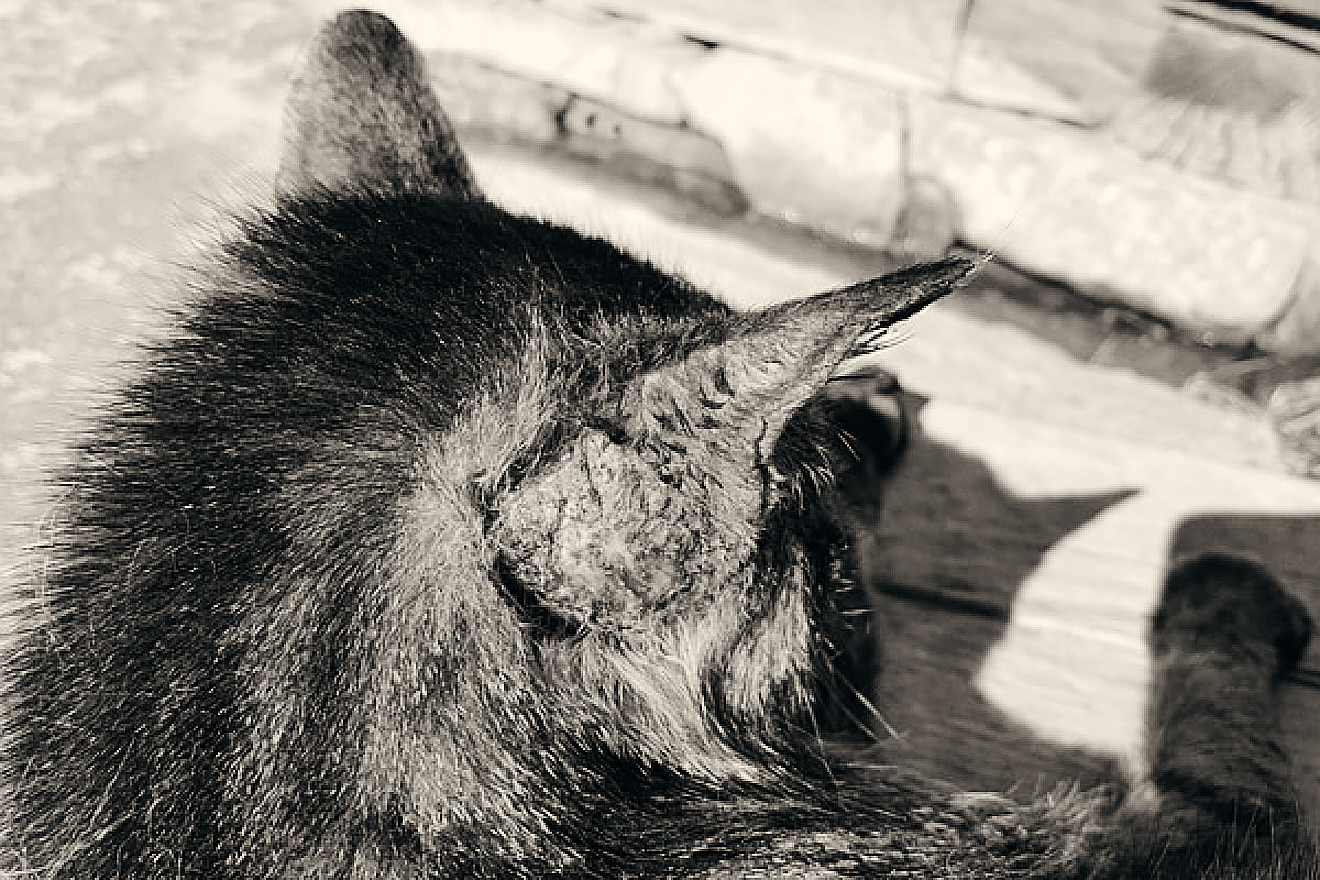
Some causes may lead to the development of secondary skin diseases, such as infection or fluid discharge. Alopecia caused by hormonal disorders is not usually itchy at first, unless there is a secondary skin infection. Diseases that commonly cause itching or pain include bacterial or fungal skin infections, parasites, and allergies. Friction may cause areas of hair loss, for example, poorly fitted halters or collars. Excessive grooming (usually caused by stress) can cause hair loss in some cats. Unlike dogs, many cats can hide their itching, and it may be hard to determine whether your cat is itchy.
How Is FeLV Diagnosed?
In addition, the infectious dose required for oronasal transmission of the virus is relatively high. Direct contact, mutual grooming, and shared litter trays and food dishes are the primary methods of horizontal transmission. Feline leukemia is a disease that only affects cats -- it cannot be transmitted to people, dogs, or other animals. FeLV is passed from one cat to another through saliva, blood, and to some extent, urine and feces.
Is there any treatment for FeLV infection or disease?
When the virus settles in the abdomen, your cat may experience signs of abdominal problems. There may be vomiting or frequent diarrhea, which is usually accompanied by a lack of appetite. Just run your hands down the front of their neck on either side of the throat under their jaw. Appetite changes in a cat are always a reason for concern, but in the case of FeLV, these changes in eating habits are often the first symptom. Feline leukemia virus is not contagious to people or to other pets, like dogs or rabbits.
Could Your Cat Have Rabies? Causes, Symptoms & Treatment - Daily Paws
Could Your Cat Have Rabies? Causes, Symptoms & Treatment.
Posted: Mon, 27 Mar 2023 07:00:00 GMT [source]
Cushing's Disease
Cats may also be uninterested in drinking water if they are extremely sick with feline leukemia. Your cat needs to drink water and should not be allowed to go more than a day without water. If your cat refuses to drink or ingest liquid at all, talk to your vet right away. You may notice your cat is no longer interested in playing very much, either. Although it is difficult to see your cat like this, a loss of interest in activity is part of the progression of feline leukemia. If your cat suddenly stops wanting to get up and move at all rather than slowly progressing to this point, talk to your vet right away.
Skin cancers are common in cats, but cutaneous lymphoma is relatively uncommon. There may be a link between feline leukemia virus (FeLV) and feline cutaneous lymphoma. Although cat leukemia, also known as feline leukemia virus or FeLV, can be a difficult virus to manage, pets with it can still live happy, relatively long lives. Understanding feline leukemia symptoms can help you better care for a cat with this disease. Additionally, by being familiar with FeLV itself, you may be able to detect it sooner or prevent it altogether. But when seen in combination, a visit to the veterinarian should take place quickly.
Noticing your cat is losing a large amount of hair can be quite alarming, but there are many reasons for hair loss in cats. Some, such as fleas, are easier to treat, whereas others require a diagnosis and treatment by a veterinarian. Learning about the possible causes can help you get your cat the help they need. Because the feline leukemia virus is so unstable, a new, healthy cat can be brought safely into a "contaminated" house within days of the departure of an FeLV-infected cat. There is no effective treatment for the myeloproliferative (bone marrow) form of leukemia. Treatment is mainly supportive and may require blood transfusions, prednisone, and anabolic steroids.FeLV cancer (lymphoma) has a better response to therapy than myeloproliferative diseases do.
Feline leukemia virus (FeLV) is a serious and potentially life-threatening condition that can affect cats of all ages. One of the common symptoms of FeLV is hair loss, which can be distressing for both the cat and their owner. In this article, we will explore the causes of feline leukemia-related hair loss in cats, as well as potential treatment options and management strategies for this challenging aspect of the disease.
Cellular phenotyping via flow cytometry, immunocytochemical analysis, or other techniques can provide additional diagnostic information. Adopters of a cat with FeLV may have additional veterinary expenses as the virus progresses because of their kitty’s suppressed immune system, but it varies case by case. FeLV is only contagious to cats and doesn’t affect people, dogs, or other animals. The virus is not persistent in the environment and typically only survives a couple hours outside a cat’s body. Your cat will be far less vulnerable to infection if they are kept indoors and aren’t allowed to roam.
Diagnosis

Sign up for weekly pet health tips and insights from our veterinarians. Difficulty breathing may be noticeable if your cat’s sides are heaving with every breath, even when they’re at rest. You may also hear wheezing or might notice a slight rattle in the sound of your cat’s breath as well. All of this is normal, although it means the disease is getting worse. Some cats, especially those who are very sick with diarrhea or vomiting frequently, may not be interested in eating food.
All cats should be tested for FeLV prior to introducing them into a home, and infection-free cats should be housed separately from infected cats. Food and water bowls and litter boxes should not be shared between FeLV-infected cats and non-infected cats. Unfortunately, many FeLV-infected cats are not diagnosed until after they have lived with other cats. In such cases, all other cats in the household should be tested for FeLV. Ideally, infected and non-infected cats should then be separated to eliminate the potential for FeLV transmission.
However, there are limited large, controlled, long-term studies available in cats. Those studies that are available have not demonstrated long-lasting benefits and tended to show lower efficacy in feline patients. Many of these drugs require long-term use, are costly and have mild to severe toxic averse effects. Zidovudine (azidothymidine) is a nucleoside analog that has been used in both FeLV and FIV infections. Viral load can be decreased by zidovudine, improving patient immunologic and clinical status.
Progressively infected cats test positive for viral antigen and have high numbers of copies of proviral DNA by PCR assay. Progressively infected cats have a shortened lifespan and will develop and die of FeLV-related disease within several years. In the German and Australian studies, 2% and 0.5% of tested cats were presumed to be progressively infected, respectively.
The longer your cat remains sick from feline leukemia, the more likely they will be to grow weak and lethargic. They may be unwilling to get up out of bed often, or they may be unable to do so, depending on the severity of the illness. The fever may be a low one, or it may be very high and could cause your cat to be quite ill. Either way, frequent fevers are a sign that your cat is dealing with a serious disease like feline leukemia and should be checked out right away. Some unusual cases may need additional testing like a skin biopsy or may be referred to a specialist veterinary dermatologist.
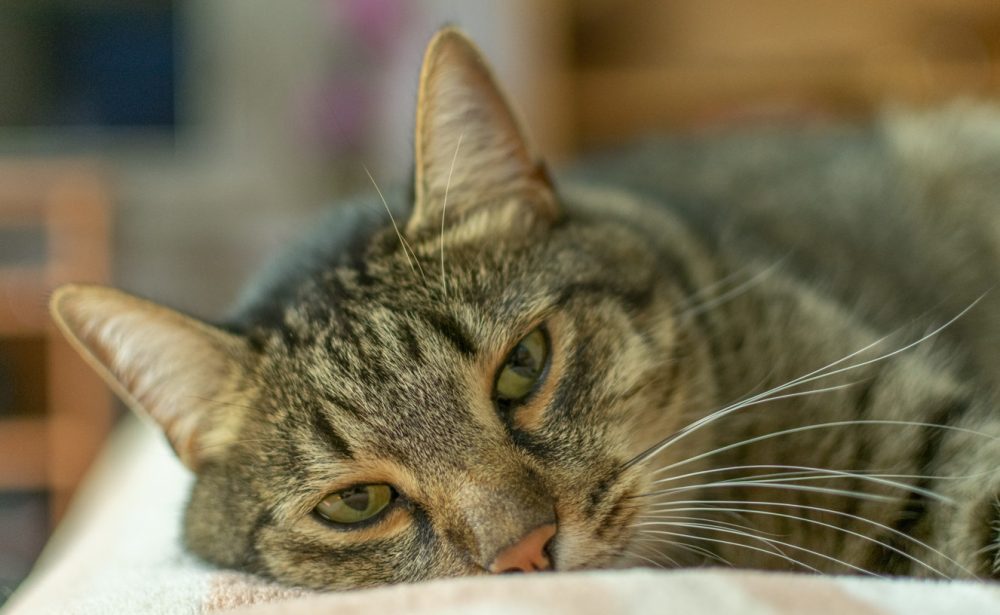
The average survival time after diagnosis is 2.4 years, but some cats will appear "healthy" for multiple years. The disease typically develops faster in kittens than in adults, and some adults ultimately succumb to unrelated conditions. The indirect immunofluorescent antibody assay (IFA) test is usually sent out to a diagnostic laboratory after a positive ELISA test to confirm FeLV infection.
After exposure to the virus, cats are able to amount an effective immune response leading to clearance of the virus. Patients with abortive infections will test negative for viral antigen and nucleic acids; however, they will test positive for FeLV antibodies. Feline Leukemia Virus is one of the most common infectious diseases in cats, affecting 2-3% of all cats in the U.S. The virus can cause cancer, blood disorders, and immune deficiency, which makes cats more susceptible to other infections. That said, most cats are infected with FeLV by exposure to other infected cats through prolonged shared contact or fighting. Cats are also more susceptible to infection when they are very young or have an underlying illness.


No comments:
Post a Comment